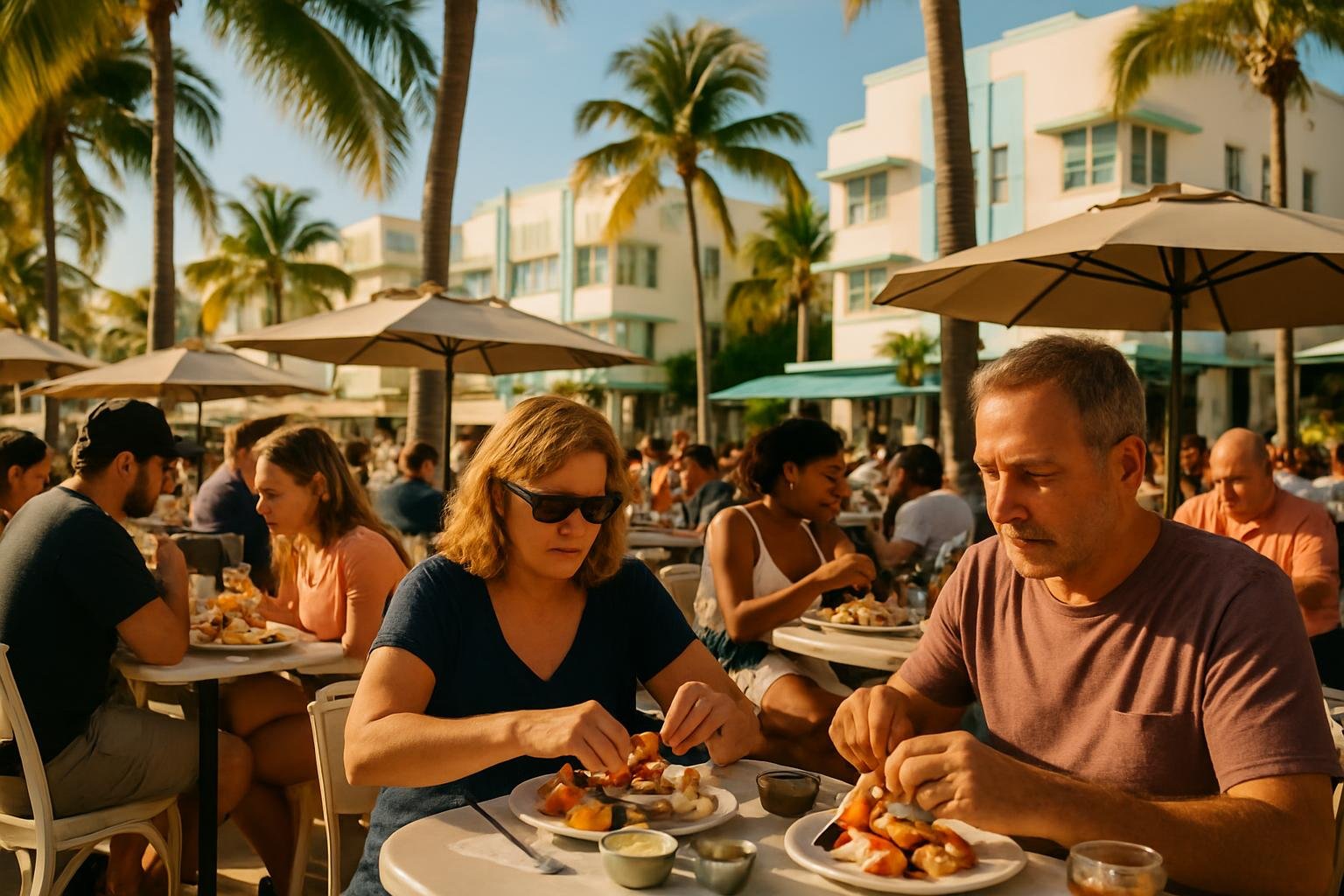
If you're craving fresh stone crab in Miami, you're in for a treat. The city’s seafood scene shines every stone crab season, offering everything from historic sit-down restaurants to lively seafood shacks and bustling fish markets across multiple neighborhoods.
Stone crab is a delicacy native to Florida’s coastlines, known for its sweet, tender meat and sustainable harvesting practices. The claws are removed and the crabs are released back to sea, making it a favorite among eco-conscious diners. Miami, with its proximity to the ocean, becomes a hub of activity when stone crab season returns each fall, typically running from mid-October through mid-May (always check with official sources for the latest season dates).
Local residents, foodies, and tourists alike flock to neighborhood markets, classic seafood houses, and beachside eateries to sample this treat prepared chilled with mustard sauce or served hot with melted butter. If you're eager to find a great meal or pick up fresh claws for a home feast, you can search for local seafood restaurants, fish markets, and specialty food shops easily on the Local Florida Directory.
Local guides and tips for getting found in Florida — no spam, unsubscribe anytime.
By subscribing, you agree to receive emails from Local Florida Directory. Unsubscribe anytime.
Search trusted local businesses, or list yours for free in minutes.
Get Started for Free
Stone crab is more than a meal—it's a seasonal tradition in Miami’s culinary culture. While many eateries citywide feature stone crab on their menus, a few neighborhoods stand out for their exceptional selection and lively local atmosphere.
The iconic stretch of Ocean Drive and Collins Avenue is home to renowned seafood restaurants as well as classic steakhouses that make seasonal stone crab a main feature. Spots here often provide outdoor seating with glimpses of the Art Deco district—a hit with visitors and locals alike.
This area is known for blending Cuban flavors with Florida’s fresh seafood. Here, family-owned restaurants and seafood counters offer stone crab alongside other shellfish in lively, welcoming environments.
Upscale dining rooms and modern eateries in these buzzing business districts often highlight Florida seafood, with some offering stone crab specials during the season and happy hour deals on the weekends.
Waterfront dining is a draw here, with plenty of dockside seafood shacks and laid-back fish houses serving stone crab just steps from the water. The relaxed, tropical atmosphere adds to the appeal, especially for those looking to unwind after a day outdoors.
For details on businesses in these areas serving stone crab, use the Local Florida Directory to search by neighborhood or zip code.
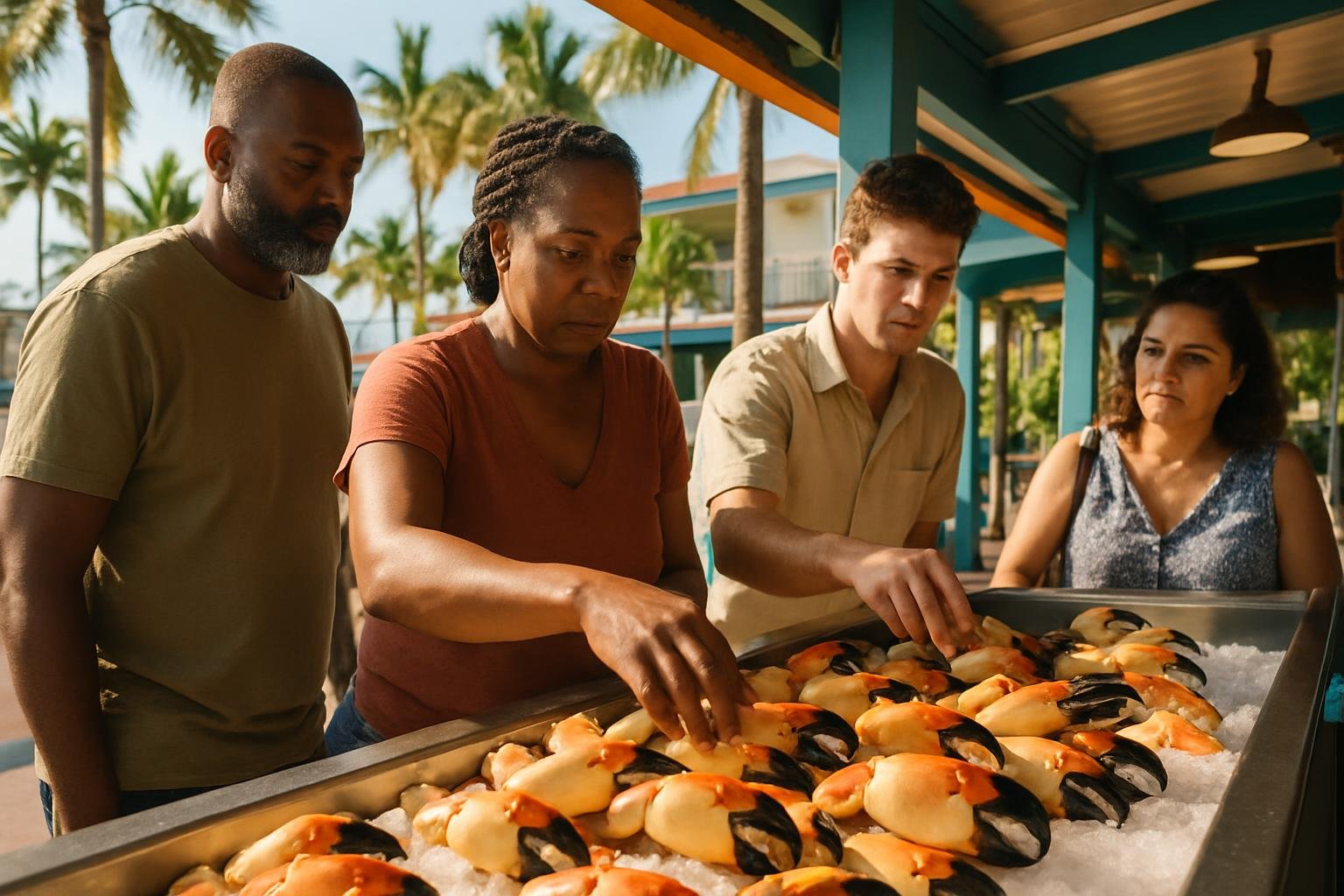
Miami’s stone crab experience isn’t limited to restaurants. Local seafood markets and specialty grocers also get in on the action, selling stone crab claws by the pound when they’re in season.
| Type | Atmosphere | What to Expect | Good For |
|---|---|---|---|
| Full-Service Restaurants | Formal/Classic | Waiter service, sauces, local wines | Special occasions |
| Seafood Markets | Casual | Fresh claws to-go, helpful staff | Home dining |
| Beach Cafés | Relaxed/Outdoor | Casual menu, quick bites | Day outings |
Wherever you go, it’s a good idea to call ahead or check online listings to confirm menu availability, hours, and seasonal specials.
Ordering stone crab for the first time? Here’s what to keep in mind so you get the best possible Florida experience:
Visiting Miami during the peak of stone crab season also means you might catch local festivals, restaurant week specials, or pop-up events centered around this seafood favorite.
Florida regulates stone crab harvesting to support long-term sustainability. Only the claws are removed—then the crab is returned to the ocean, where it can regenerate new claws over time. Licensed fishers adhere to strict guidelines from the Florida Fish and Wildlife Conservation Commission, including harvest periods and size limits. For more about shellfish regulations, check official state and local government websites or ask at reputable Miami markets.
If you’re a business owner interested in selling stone crab, you’ll need to follow regulations for seafood handling, retail food safety, and business licensing. This usually involves registering with the Florida Division of Corporations, obtaining food handling permits from the Department of Business and Professional Regulation, and possibly additional local permits. Contact your city or county officials for guidance on requirements that apply to your location.
Pro Tip: Use the Local Florida Directory to compare local businesses near you, read customer reviews, and find contact details in one place.
The return of stone crab each year is a cause for celebration across Miami. Locals know the best spots often book up quickly, especially on weekends or during special events. Here are a few ways Miami residents and seasonal visitors enjoy stone crab season:
Stone crab pairs perfectly with Florida’s mild winter weather, making it ideal for outdoor dining or picnics. When the season ends and stone crab is off the menu, many of these same eateries and markets continue to feature other local seafood, so there’s always something fresh to try.
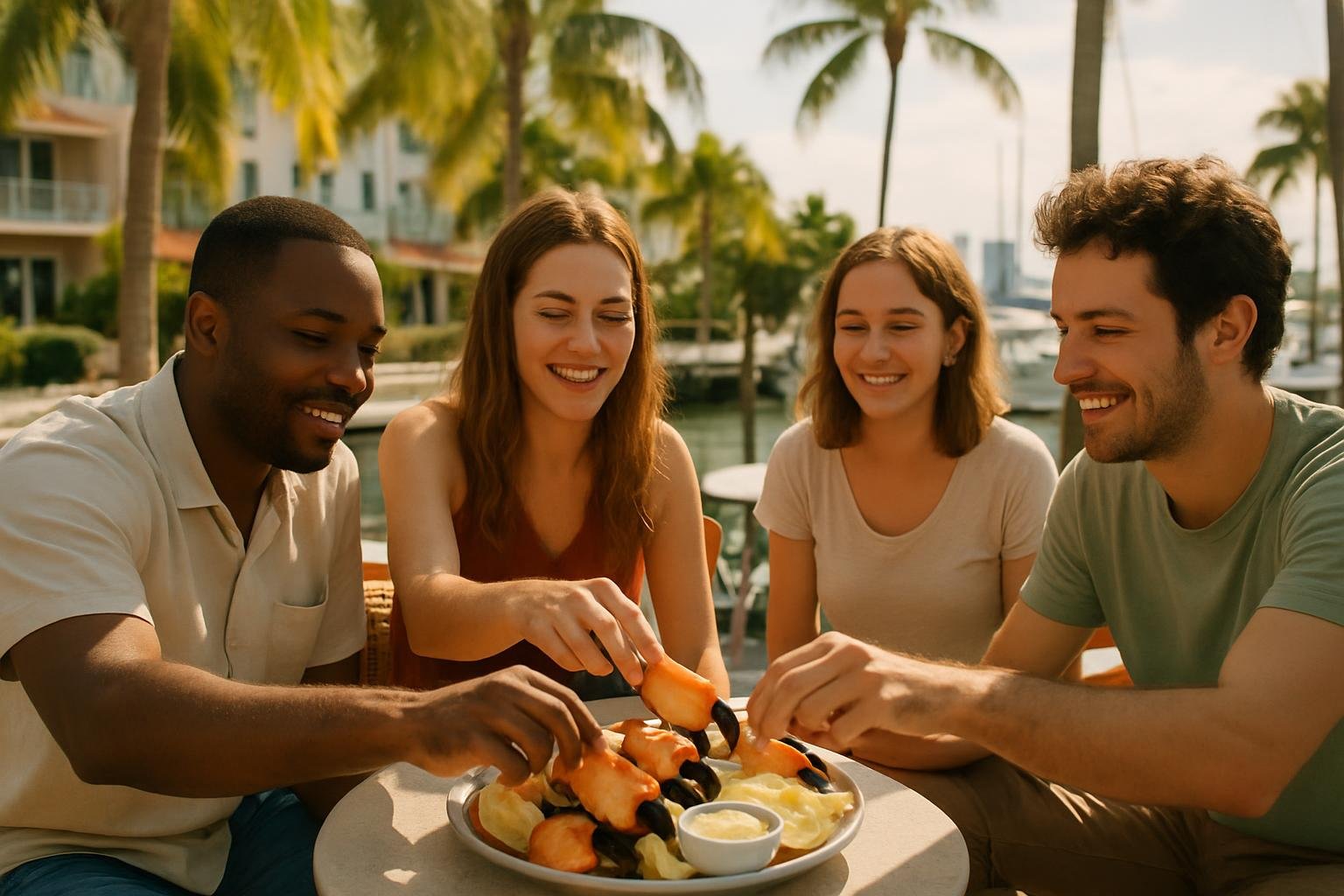
While Miami is a hot spot for stone crab, other coastal cities also get in on the action. Tampa, Naples, and Fort Lauderdale all have vibrant seafood scenes, with their own beloved restaurants and markets. Southwest Florida, in particular, is known for its waterfront dining and annual seafood festivals celebrating the stone crab harvest. Whether you're visiting Jacksonville or Sarasota, you can usually find local businesses highlighting Florida-caught stone crab when in season.
While stone crab is famous citywide, each Miami neighborhood offers a different vibe. Some areas are best for white-tablecloth dining, while others excel at open-air, toes-in-the-sand meals. Here's a quick comparison to help visitors (and locals) choose the right scene for their next stone crab outing:
| Neighborhood | Atmosphere | Best For | Typical Dining Style |
|---|---|---|---|
| South Beach | Lively, tourist-friendly | First-timers, group celebrations | Classic sit-down seafood |
| Coconut Grove | Bohemian, relaxed | Casual lunches, sunset dining | Waterfront shacks & patios |
| Downtown/Brickell | Upscale, cosmopolitan | Business dinners, foodies | Modern restaurants & lounges |
| Little Havana | Cultural, family-centric | Local flavor, traditional eats | Neighborhood counters & grills |
Tips: Parking can be tricky in South Beach, while Coconut Grove is popular with boaters. Downtown is busiest on weekdays. No matter the location, reservations for popular restaurants are highly recommended during peak stone crab season. To-go options abound for waterfront picnics or home enjoyment.
Enjoying stone crab in Miami means keeping Florida’s unique climate and seasonal rhythms in mind. Here’s how to get the best from the season—without rookie mistakes:
First-time stone crab eaters and Miami newcomers often fall into some classic traps. Steer clear of these mistakes for your tastiest—and most authentic—seafood experience:
Avoid these mistakes and you’ll enjoy your Miami stone crab experience like a pro, whether dining dockside or picking up a feast for home.
While Miami sits at the heart of the stone crab tradition, there’s a whole Gulf and Atlantic coast full of alternative coastal communities serving up this Floridian delicacy—each with its own twist. If you’re hungry for more crustacean adventures, consider expanding your seafood hunt with these regional highlights:
| City/Area | Best For | Atmosphere | Seasonal Tips |
|---|---|---|---|
| Naples | Luxury dinners, festivals | Upscale and scenic | Book early in peak months |
| Fort Lauderdale | Date nights, lively bars | Trendy, cosmopolitan | Check for happy hour specials |
| Florida Keys | Waterfront meals | Island casual | Try boat-up dining spots |
| Everglades City | Rustic, authentic | Old Florida small town | Call ahead (seasonal hours) |
Every region puts its spin on sides, preparation, and atmosphere. Always confirm season dates, hours, and menu availability, as small towns are especially affected by weather and seasonal fluctuations.
To make your first (or next) Miami stone crab experience flawless, use this local insider checklist. This step-by-step plan helps you enjoy the best the city offers—without missing a flavor or fun:
Following these steps ensures you get the freshest claws, the most authentic flavors, and a truly local Miami adventure every time stone crab season rolls around.
Even savvy foodies can trip up on their first Miami stone crab hunt. Here are some uniquely Floridian blunders to dodge, and smarter moves to try instead:
With a few easy adjustments, you’ll blend right in with the locals—maximizing taste, convenience, and value while enjoying South Florida’s favorite shellfish celebration.
Ready to experience Miami’s stone crab tradition for yourself? Whether you’re searching for a legendary seafood restaurant, a friendly family-run fish market, or a beach café for a casual meal, the Local Florida Directory makes it easy to find trusted local spots by area, read recent reviews, and connect directly with businesses.
If you’re a business owner, you can claim your listing or add your seafood business so more customers can find you during stone crab season and beyond. Sharing your experiences by leaving a review also helps fellow Floridians and visitors discover new favorites.
Browse Local Florida Directory to find your next stone crab meal or to help others make informed choices about local seafood in Miami and across Florida. Start planning your tastiest season yet!
Stone crab season in Miami usually runs from mid-October to mid-May. Always check with the Florida Fish and Wildlife Conservation Commission or your local seafood market for up-to-date dates before planning your visit.
Seafood markets typically sell fresh or pre-cooked stone crab claws for you to enjoy at home, while restaurants prepare and serve dishes table-side, often with traditional sauces and sides. Both offer tasty options, depending on your preference.
Most Miami restaurants and markets source their stone crab locally, especially during Florida’s commercial stone crab season. It’s common practice to highlight locally harvested claws, so ask your server or fishmonger for sourcing info.
No. Genuine Florida stone crab is only legally harvested during the season, so it’s freshest and most available from fall to spring. Outside this period, availability is very limited or stone crab may not be sold at all.
Look for claws displayed on fresh ice with a clean, shiny appearance. Ask about their source and harvest date, and choose the size that fits your budget and appetite—larger claws offer more meat but usually cost more.
Prices can vary by size and market conditions. Since prices and availability change each season and throughout the week, it’s best to call ahead or check menus online for up-to-date pricing.
Share this article