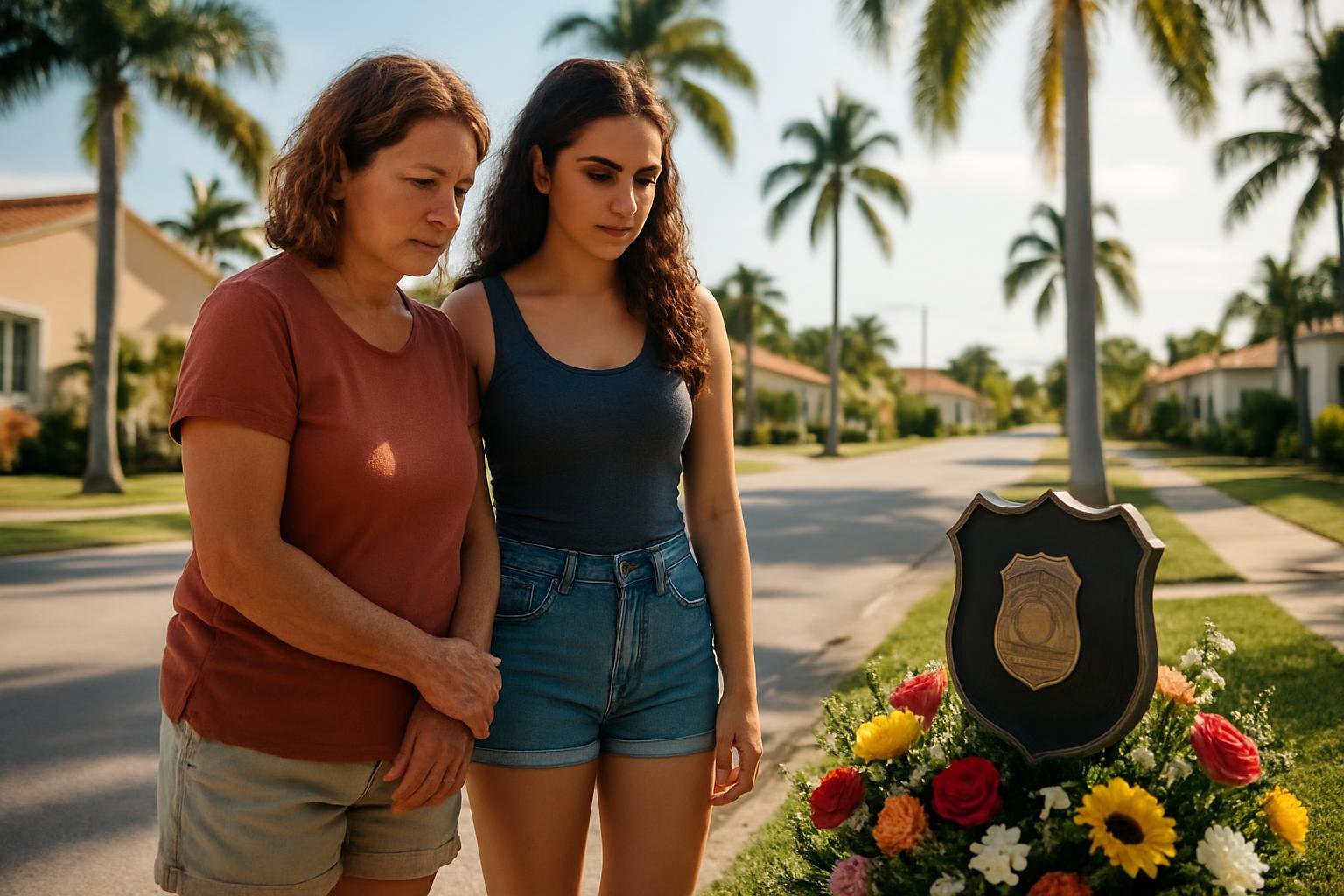
Fallen police officers leave behind a powerful legacy in Florida's communities, touching countless lives through their bravery and service. Honoring these heroes and supporting their families is an important part of maintaining strong, connected neighborhoods across the state.
When a police officer makes the ultimate sacrifice in the line of duty, the impact ripples far beyond the event itself. Many Florida cities, from Miami Springs to Tampa and Jacksonville, work to remember and celebrate these individuals through memorials, public events, and ongoing support for their families. This legacy includes not just their public service record but also the cherished personal memories saved by loved ones—sometimes as poignant as a rescued recording of an officer's voice or radio call. These keepsakes offer comfort and connection for family members, especially children, who may not have known their parent or only have a few treasured memories.
Throughout Florida, communities strive to honor officers who have lost their lives on duty. Common forms of remembrance include annual memorials, dedication of streets or parks, and maintaining police-run charity foundations to help surviving families. You can find services offered by local support organizations, places to visit memorials, and information about tribute events by searching the Local Florida Directory for your area.
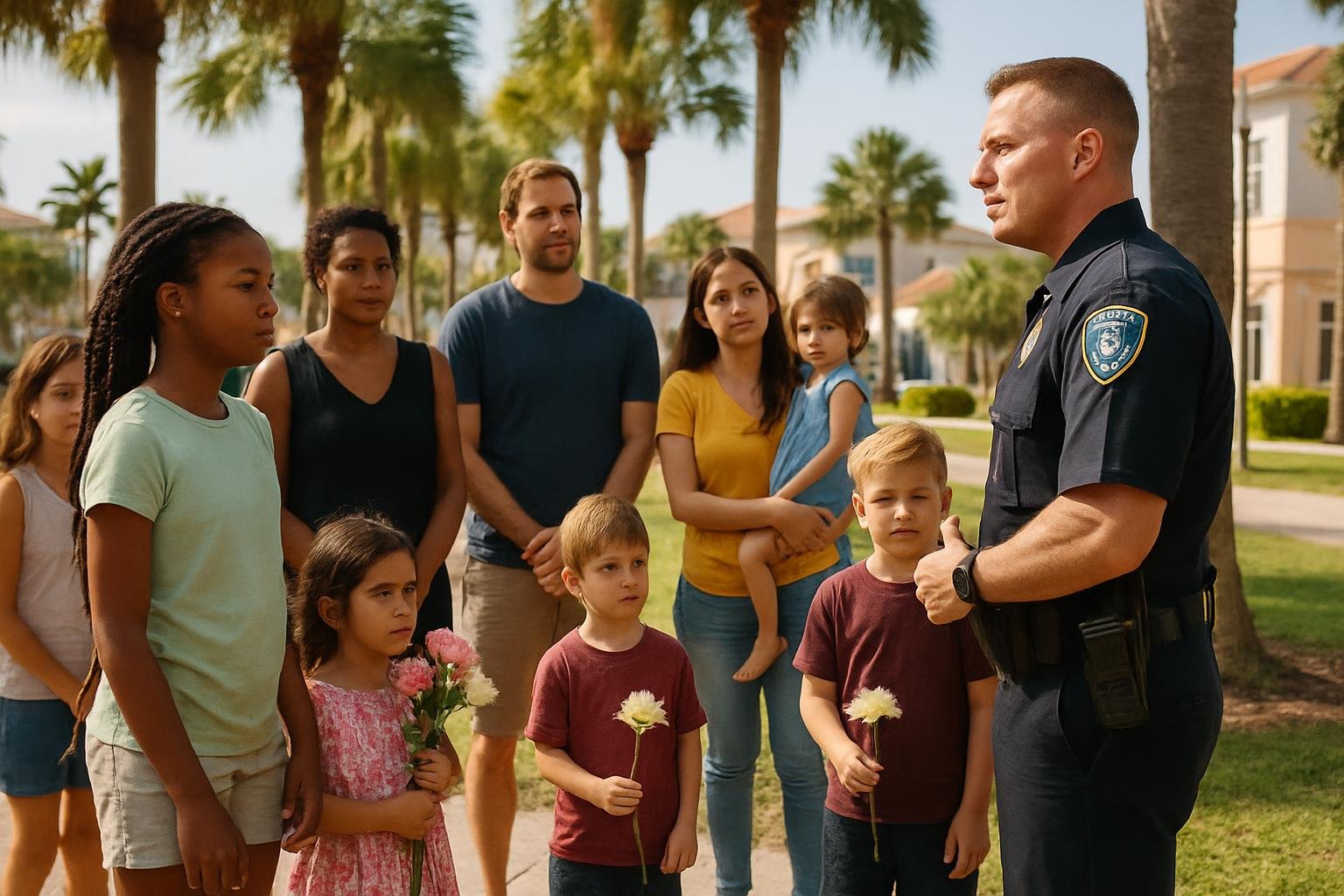
Miami-Dade County regularly holds ceremonies recognizing law enforcement heroes, including those from smaller departments such as Miami Springs. Memorial walls and dedicated days of remembrance help keep the stories alive. Families often gather with local officials and residents, emphasizing the enduring bond between an officer's memory and the community's well-being.
Orlando and its neighboring cities honor their fallen police and sheriff's deputies each year, often including educational programs in schools to teach younger generations about civic duty and sacrifice. Local police support groups frequently partner with businesses to arrange supportive events.
Ceremonial gatherings in Tampa and St. Petersburg provide space for families, friends, and the public to pay respects. Names of fallen officers are often inscribed on local monuments for perpetual remembrance.
Local guides and tips for getting found in Florida — no spam, unsubscribe anytime.
By subscribing, you agree to receive emails from Local Florida Directory. Unsubscribe anytime.
Search trusted local businesses, or list yours for free in minutes.
Get Started for Free
Family members of police officers who have died in service—be they spouses, children, or extended relatives—can access various forms of support in Florida. Several non-profit organizations and community initiatives exist to ensure these families are not alone.
For current lists of local resources, survivor support groups, and applicable benefits, residents should contact their city’s police department, county office, or search the Local Florida Directory.
Honoring the memory of fallen officers doesn’t require a formal ceremony. Everyday actions by Florida residents can make a meaningful difference. Here are simple ways to show support:
For families who have lost a loved one in law enforcement, recordings such as final radio calls can become cherished heirlooms. These moments, preserved by accident or intention, offer a rare opportunity—especially for children who may never have known their parent—to connect through sound. The return or discovery of such audio decades after a loss is an emotional experience that helps families keep their loved one’s memory alive. Across Florida, police departments sometimes work with families to recover or restore old calls or dispatches as a way to support long-term healing.
Florida hosts a range of public memorials dedicated to law enforcement professionals, offering spaces for remembrance and reflection. These sites often become focal points for annual events, such as National Police Week or regional Law Enforcement Memorial Days.
| City/Region | Major Memorial Event | Location of Memorial | Community Participation |
|---|---|---|---|
| Miami | Police Memorial Ceremony | Downtown Miami memorial plaza | Large—open to public |
| Orlando | Law Enforcement Appreciation Day | Orlando Police Headquarters | Community-led activities |
| Tampa | Tampa Fallen Officers Remembrance | Ybor City Memorial Park | Family and business supported |
| Jacksonville | Police Unity March | Jacksonville Sheriff’s Memorial Site | Open, often televised |
Many families and friends find comfort by sharing stories—both online and in neighborhood gatherings. Localized remembrance, like tree plantings or mural paintings, can spark neighborhood pride and collective healing. In places like Fort Lauderdale and Sarasota, community centers sometimes host exhibits or talks featuring artifacts and personal accounts from officers’ families.
Pro Tip: Use the Local Florida Directory to compare local businesses near you, read customer reviews, and find contact details in one place.
If you wish to honor fallen officers, you can either join established events or create a tribute of your own. Here’s a step-by-step list to consider:
Remember that event permissions, such as gathering permits, may be required in advance—always check with your city’s event planning office.

Children of law enforcement officers may be eligible for specialized educational support, scholarships, and mentorship connections. Many organizations host summer camps or regular meetups for children experiencing loss, providing a supportive peer environment. For schooling resources or specific support, families are encouraged to reach out to public school counselors, the local police benevolent association, or regional non-profits working in their county.
Florida is a large and diverse state, and the ways communities honor and support fallen police officers can vary depending on the region. Awareness of these differences is helpful for families moving across the state, or if you want to participate in local traditions and events from one area to another. Below is a short comparison to illustrate general trends; always verify the latest information for your locality.
| Region | Event Frequency | Type of Support | Local Traditions |
|---|---|---|---|
| North Florida (e.g., Jacksonville, Tallahassee) | Annual, often spring | Emphasis on scholarships, rural family support | Unity marches, dedications at county buildings |
| Central Florida (Orlando, Lakeland) | Multiple events year-round | Therapy programs, school partnerships | School education days, youth essay contests |
| South Florida (Miami, Ft. Lauderdale) | Large-scale memorials, televised | Benefit galas, bilingual resources | Candlelight vigils, city proclamation readings |
Wherever you reside, getting involved in regional gatherings or tradition—such as joining a unity march in the north, or a citywide vigil in the south—can help sustain the memory of fallen officers and uphold their families in ways meaningful to their local culture.
Florida’s unique climate and annual patterns require extra planning when hosting or attending events to honor fallen officers. Consider these seasonal tips for respectful and safe participation:
Event planners often recommend checking for severe weather updates, traffic advisories, or any last-minute changes on city websites or social media pages, especially during the busiest or stormiest times of year.
If you are new to organizing or participating in memorial activities, it’s important to be aware of a few common pitfalls seen across Florida communities. Here are some mistakes to avoid, along with pro tips for meaningful and smooth tributes:
By learning from these common errors, Florida residents and newcomers alike can help create more respectful, enduring, and supportive tributes for law enforcement heroes statewide.
Each Florida city and its surrounding neighborhoods have cultivated their own traditions and approaches when it comes to honoring fallen police officers and supporting surviving families. While larger metropolitan centers host high-profile ceremonies, some smaller towns leverage tight-knit community resources for more intimate tributes. A deeper look at select locations can provide inspiration for residents and organizers statewide.
In cities like Pensacola, police remembrance often centers around close collaboration between law enforcement agencies and local faith communities. Town hall gatherings and memorial prayer breakfasts are common, and rural neighborhoods may include tributes as part of broader first-responder appreciation days. The relatively smaller population creates a more personal, hands-on environment for supporting officer families, often with dedicated fundraisers or meal trains arranged by neighbors and faith groups.
Neighborhoods such as Pembroke Pines and Coral Springs, located in Broward County, typically work through robust homeowner associations and civic clubs to organize support activities. These communities sometimes hold neighborhood candlelight vigils, organize collective donations, and promote bilingual tributes to reflect the area’s cultural diversity. Partnerships with local schools frequently provide opportunities for youth involvement through art contests or community service projects that honor fallen officers.
With a smaller, island-based population, Key West and neighboring Keys communities foster a unique blend of memorial customs, often incorporating elements of the coastal lifestyle. Water-based tributes—such as law enforcement boat parades or memorial wreaths floated at sea—are notable here. Because travel is often required to attend larger mainland events, local memorials emphasize tight-knit support, direct outreach to families, and creative fundraising, sometimes through community festivals or local arts initiatives.
In university-centric communities like Gainesville, student organizations and campus police work together with city officials to honor fallen officers. Memorial runs, educational symposia, and collaborative art installations on college grounds are common. Efforts are often made to connect students with opportunities to learn about public service, both to honor past sacrifices and inspire future engagement.
| Community Type | Typical Memorial | Family Support Focus | Special Considerations |
|---|---|---|---|
| Urban/Metro (e.g., Miami, Orlando) | Large public ceremonies, televised events | Formal counseling, public scholarships | High attendance, multicultural outreach |
| Suburban (e.g., Coral Springs) | Candlelight vigils, HOA-partnered events | Bilingual resources, neighborhood fundraisers | Parking logistics, HOA support needed |
| Rural/Small Town (e.g., Lake City) | Community picnics, town hall gatherings | Direct aid, close-knit support networks | Potential travel for larger events |
| College Town (e.g., Gainesville) | Campus memorials, student-led events | Mentorship, outreach to young families | Involvement of student organizations |
Residents are encouraged to adapt these approaches to fit local resources and cultural values, always consulting surviving families for guidance and feedback.
If you've recently moved to Florida or are planning to get involved in local tributes for the first time, following a step-by-step checklist can help ensure respectful and effective participation:
By following this checklist, newcomers and long-time Floridians alike can ensure that their participation in law enforcement memorials upholds both local tradition and personal respect for those who have sacrificed in service to Florida communities.
Honoring the legacy of fallen officers often involves a network of supportive businesses, from memorial service providers and florists to family counselors and event organizers. Residents looking to host an event or offer meaningful support can Browse Local Florida Directory to find reputable local services across all major Florida cities.
If you represent a business or organization that supports fallen officers or their families, you can claim your listing, keep your information current, and connect easily with those seeking your service. Florida locals are also encouraged to leave reviews and recommendations, helping others make informed choices in times of need.
Your next step: Reach out to your community, explore relevant services, and keep the legacies of Florida's heroes strong.
Cities across Florida hold annual memorial events, dedicate monuments, and support outreach programs for families of officers. Community involvement is encouraged through ceremonies, educational events, and local support charities.
Families should contact their local police department, county office, or police benevolent association for listings of support resources, including financial assistance and counseling services.
Most community memorial events in Miami, Orlando, Tampa and other Florida cities are open to the public. Check local event calendars or your police department's website for dates and participation details.
Local businesses such as florists, event planners, counselors, and memorial service providers support tribute efforts. Use trusted directories to find and compare these services near you.
Yes, several non-profit and governmental organizations in Florida offer scholarships and educational support to children of law enforcement officers lost in the line of duty. Contact school counselors or state associations for information.
Contact your local police department and community center to understand event requirements, gather community interest, and reach out to local partners for organizing tribute events or memorial services.
Share this article