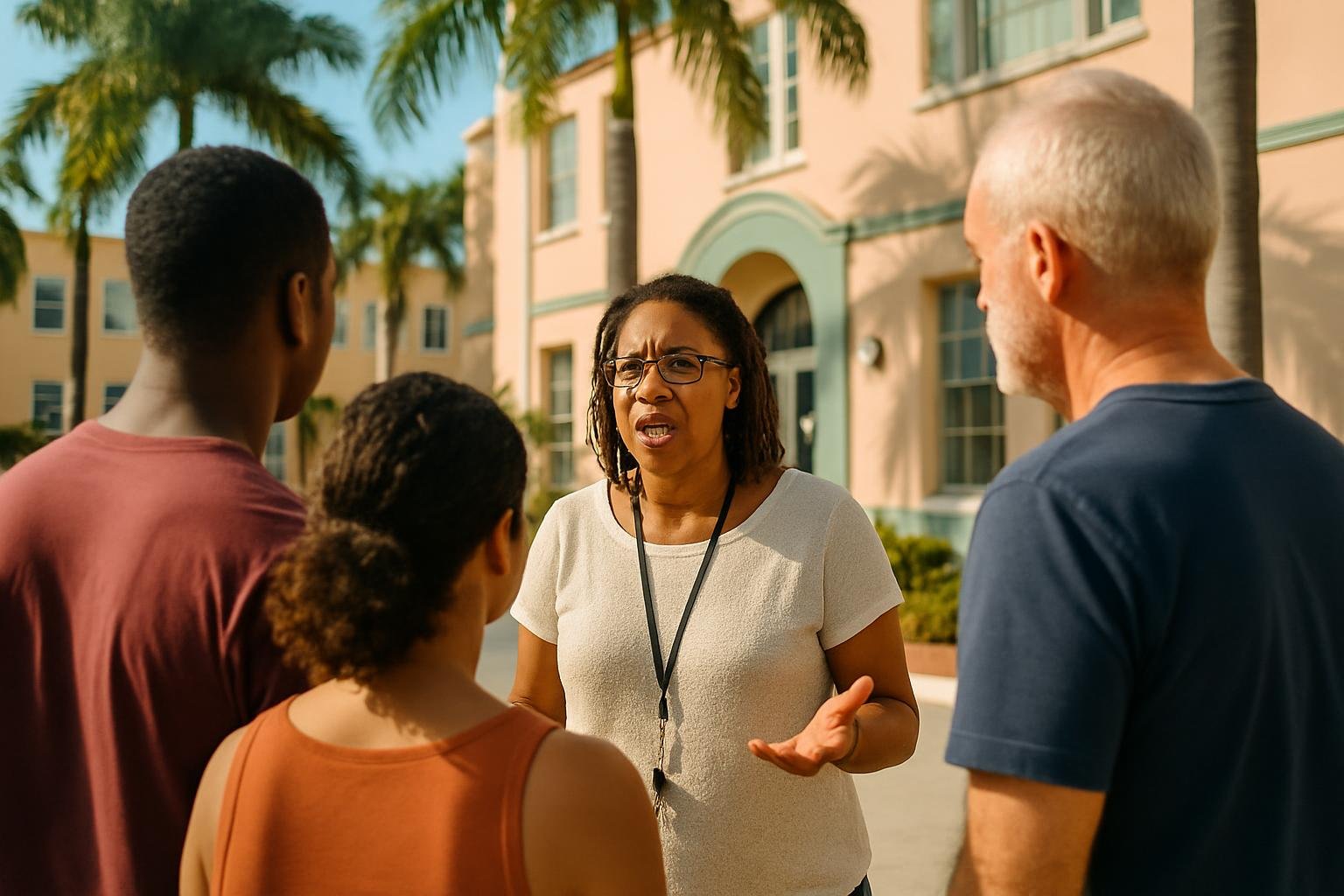
Residents of Florida have the right and responsibility to report police misconduct, including inappropriate online activity, excessive force, or other unprofessional behavior, to help ensure accountability in law enforcement. Here is a comprehensive guide to filing complaints about police misconduct in Florida, including what to expect and practical steps for residents and visitors in cities like Miami, Orlando, Tampa, and beyond.
Police misconduct refers to actions by law enforcement officers that violate professional standards or legal requirements. This can range from verbal abuse, harassment, excessive force, discrimination, or improper use of official resources (such as sharing inappropriate or criminal content online), to the mishandling of evidence or corruption. Both residents and visitors can encounter or witness such incidents, and reporting them helps protect the integrity of local departments.
If you need to find legal support services or local advocacy groups, you can search the Local Florida Directory to connect with organizations and professionals near you.
Local guides and tips for getting found in Florida — no spam, unsubscribe anytime.
By subscribing, you agree to receive emails from Local Florida Directory. Unsubscribe anytime.
Search trusted local businesses, or list yours for free in minutes.
Get Started for Free
Reporting misconduct requires documentation, clarity, and persistence. The following are recommended steps for residents or visitors seeking to file a complaint in Miami, Tampa, Orlando, Jacksonville, and other Florida cities.
If you need to find legal counsel or advocacy organizations for support during this process, the Local Florida Directory lists relevant professional services in every major Florida city.
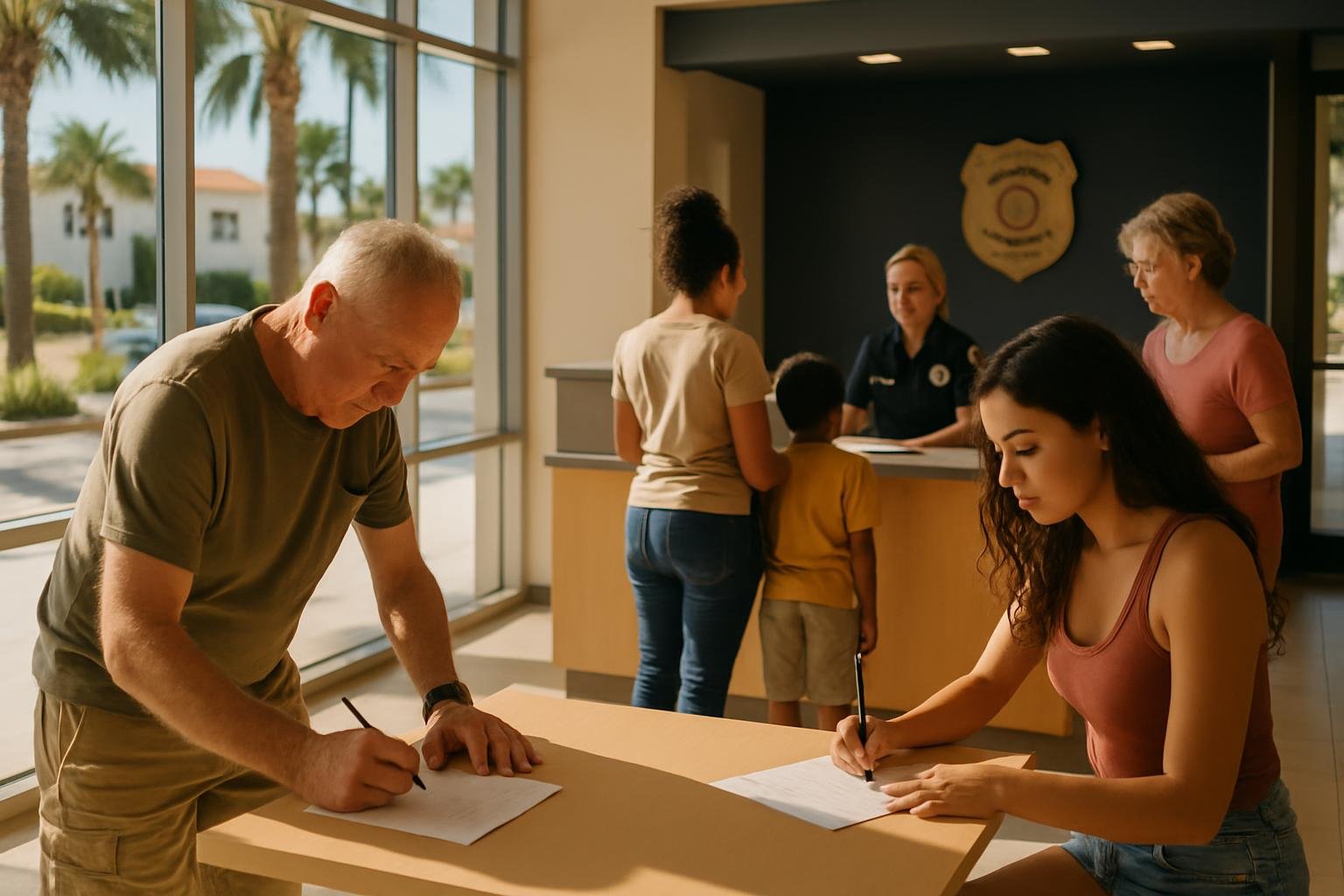
Once submitted, a police misconduct complaint in Florida will typically be assigned to Internal Affairs. The process generally includes:
In some Florida cities, independent civilian review boards provide additional oversight. Residents can also bring concerns to their county’s office, the Florida Department of Law Enforcement (FDLE), or even the U.S. Department of Justice (DOJ) for certain civil rights violations.
| Reporting Method | Pros | Cons |
|---|---|---|
| Online Form | Quick, often anonymous, creates record | No face-to-face guidance, may need follow-up |
| In Person | Personal interaction, guidance from staff | May feel intimidating, requires travel |
| Mail/Phone | Accessible, leaves paper/audio trail | Slower processing, may have less detail |
| Civilian Review Board | Independent, additional oversight | Not all cities have them |
After or during the complaint process, you might consider additional resources. Many Florida cities have advocacy groups, attorneys focusing on civil rights, or organizations offering free or affordable legal support. For issues involving minors or crimes of exploitation, specialized child protection agencies operate at the city and county level in Miami-Dade, Orange, Hillsborough, and other counties.
Pro Tip: Use the Local Florida Directory to compare local businesses near you, read customer reviews, and find contact details in one place.
Residents in areas with strong support networks (such as Fort Lauderdale, West Palm Beach, and Tampa) often can access multilingual counseling and trauma resources. The Florida Bar and local Legal Aid organizations are additional sources of free and low-cost advice for those navigating police complaints.
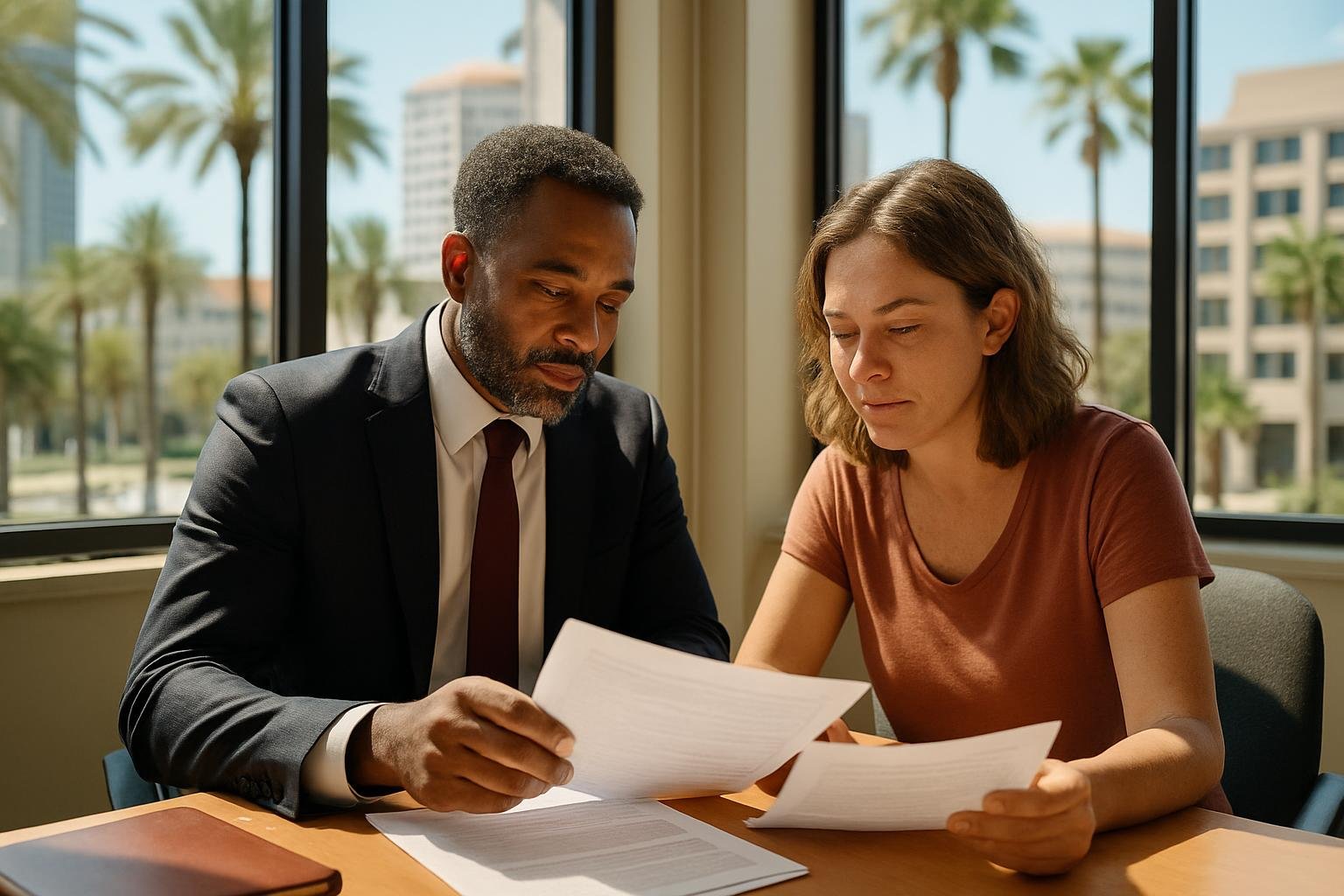
The process, culture, and ease of filing police misconduct complaints in Florida often varies by city and by the size of the police department. Understanding these differences can help you better prepare, set realistic expectations, and determine which support resources might be available in your area.
| Area Type | Department Size | Complaint Process | Oversight Options |
|---|---|---|---|
| Urban (e.g. Miami, Tampa, Orlando) | Large, well-staffed | Online and in-person forms, dedicated IA units, some offer Spanish/Creole support | Often have civilian boards; multiple contact methods |
| Suburban (e.g. Coral Springs, Brandon) | Medium | Usually online or front desk reports, smaller IA units | May have county-level review; limited civilian panels |
| Rural (e.g. rural Panhandle, inland counties) | Small/medium | Mainly phone or in-person, less likely to have online forms | Rare civilian oversight, call for county/state help if needed |
Compared to large urban areas, small town police departments may have a less formal or less publicized complaint process. Residents in rural areas sometimes report mixed experiences due to fewer oversight resources, so contacting the relevant county or state agency is often recommended as a supplement, especially if the complaint pertains to the sheriff's office instead of a city police department.
South Florida (including Miami-Dade, Broward, and Palm Beach counties) often provides complaint materials in English, Spanish, and sometimes Haitian Creole, reflecting local communities. Elsewhere, support in languages other than English may be limited, so non-English speakers may need assistance from local advocacy organizations.
Some Florida cities have distinct neighborhood policing or community liaison officers. In areas like Little Havana (Miami), Parramore (Orlando), or East Tampa, well-established community groups may offer additional support with the complaint process. In large cities, contacting a local neighborhood council or watch group can provide extra guidance or help connect you to the right department contact.
If you're new to Florida, or unfamiliar with the state's complaint systems, it's easy to trip up. Here are some common mistakes that can slow down or weaken your complaint—and how to avoid them:
Florida's climate and tourist seasons can impact the complaint process—and your ability to gather information or follow up effectively.
Tip: Both hurricane threats and the busy winter season can create backlogs or special challenges. Stay persistent, document all your communication, and seek updates regularly—especially if your situation is urgent or time-sensitive.
Due to the unique structure of law enforcement and local government in Florida, following a Florida-specific complaint checklist can help your case move forward efficiently. Here’s a detailed, Florida-focused checklist for properly preparing and tracking your police misconduct complaint:
Local Tip: Many Florida agencies will work with you remotely if you leave town for work, weather, or family emergencies—just keep all case numbers and contacts up to date.
Filing a misconduct complaint can feel different in Miami compared to Tallahassee or Pensacola. Regional practices, accessibility, and support resources may vary throughout the state. Here's a quick comparison of some common regional differences to help you prepare:
| Region | Complaint Options | Languages Commonly Offered | Extra Local Support |
|---|---|---|---|
| Southeast FL (Miami-Dade, Broward, PB) | Online, in-person, phone, civilian board filings | English, Spanish, Haitian Creole | Diverse advocacy groups, multilingual legal aid |
| Central FL (Orlando, Tampa, Lakeland) | Strong online & in-person; some phone/mail | English; Spanish support varies by city | Active legal aid, moderate advocacy presence |
| Northeast/North FL (Jax, Tallahassee) | Primarily online & in-person; rural areas in-person only | English; limited Spanish, request if needed | Bar associations, county resources, faith groups |
| Southwest FL (Naples, Fort Myers, Sarasota) | In-person favored; online in larger towns | English, some Spanish | Smaller but active advocacy, Legal Aid offices |
Confirm the specific complaint process and language availability with your local agency, since services can change or expand over time. Regional support networks are often listed through city government or reputable nonprofit legal service providers.
Florida’s long, intense summers present unique challenges for documenting, reporting, and following up on police misconduct complaints, especially during outdoor encounters. Hot weather and frequent storms can complicate evidence collection and impact memory or health—here’s how to address these seasonal factors:
Tip for Summer Visitors: If you’re in Florida seasonally, try to complete your complaint before the end of your stay, or ensure all evidence is backed up and accessible remotely should follow-up be required after you return home.
Whether you are a resident, visitor, or new arrival in Florida, reporting police misconduct is a serious but vital process that upholds accountability and community trust. Browse the Local Florida Directory to locate attorneys, advocacy organizations, and professional services near you in cities such as Miami, Orlando, Tampa, Jacksonville, Fort Lauderdale, and more.
Business owners or legal professionals can also claim their listing to help community members find the right support. If you’ve had an experience—positive or negative—with a Florida legal support service, consider sharing a review and help others make informed choices. Browse Local Florida Directory today to get started.
Ready to report or seek advice? Start by finding resources in your local area and begin your journey toward a safer Florida community.
You can report directly to the Internal Affairs unit of the city's police department, either in person, online, by phone, or by mail. Some cities also have civilian review boards or allow anonymous submissions. Check department websites for current instructions.
Include as many details as possible: names, badge numbers, dates, times, digital evidence like photos or screenshots, and witness contact information. Official complaint forms help guide what information is needed.
Yes, anyone who experiences or witnesses police misconduct in Florida—resident, visitor, or tourist—can file a complaint with the relevant department. Local groups and legal professionals can help you navigate the process.
While many complaint details are subject to Florida public records laws, private or sensitive information may be withheld during ongoing investigations. You can ask about confidentiality protections when you file.
Internal Affairs investigates a range of issues, including excessive force, discrimination, misuse of authority, and inappropriate online conduct. Alleged criminal activity may also involve outside law enforcement or prosecutors.
Yes, many cities have legal aid organizations and advocacy groups focused on civil rights. The Local Florida Directory can help you identify services near you.
Share this article