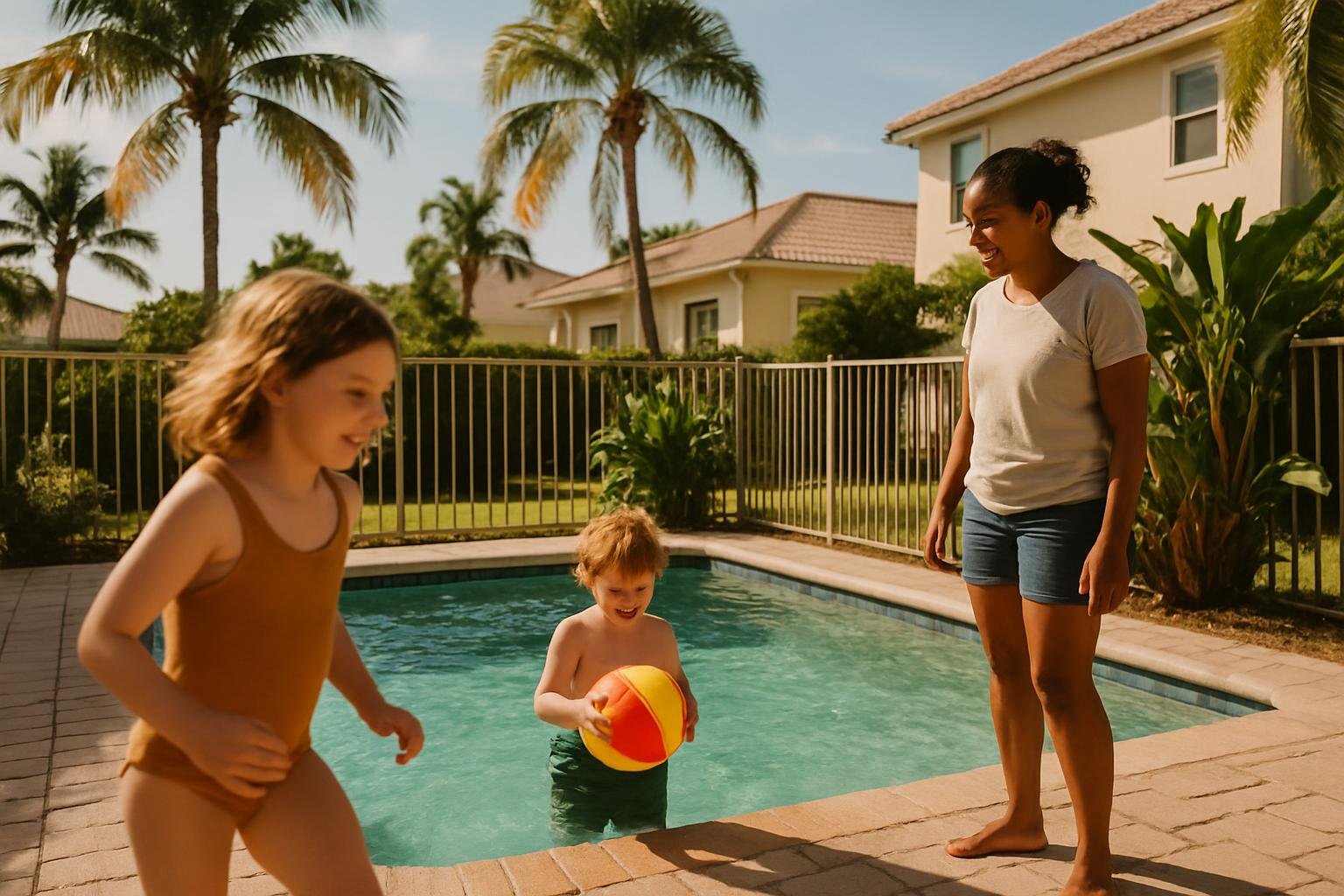
Florida’s beautiful weather and abundance of backyard swimming pools make for a fun, leisurely lifestyle, but pool safety is a crucial concern for homeowners, families, and neighbors across the state. Unfortunately, accidents and tragic incidents do occur. Here’s what you need to know to help keep your loved ones safe around residential pools, whether you live in Miami, Tampa, Weston, or any Florida city.
Pool safety involves taking proactive steps to reduce the risks of drowning and accidents, especially in homes with private or community pools. Florida consistently ranks among the top states for home swimming pool ownership, and sadly, accidental drownings are a year-round risk here due to the climate and lifestyle. Families, renters, and property managers all have a shared responsibility to ensure pools are safe for everyone, particularly children and vulnerable adults.
If you’re searching for local pool maintenance companies, installers of safety barriers, or licensed swim instructors, you can easily Local Florida Directory to find local experts across South Florida and beyond.
Local guides and tips for getting found in Florida — no spam, unsubscribe anytime.
By subscribing, you agree to receive emails from Local Florida Directory. Unsubscribe anytime.
Search trusted local businesses, or list yours for free in minutes.
Get Started for Free
Backyard pools are a staple in many Florida communities, but some regions and housing developments have a stronger pool culture, either with private pools or shared neighborhood amenities. Here are a few highlights:
Miami neighborhoods such as Coral Gables, Pinecrest, and Kendall feature many single-family homes with private pools. Condos often offer shared pool decks with lifeguards.
Family-friendly areas like Weston Hills and The Ridges frequently have backyard pools, and the city is known for strict community association pool safety rules.
Orlando suburbs like Dr. Phillips and Windermere often feature pools, popular with families and vacationers alike.
Communities in Clearwater, St. Petersburg, and South Tampa frequently have pools, either as part of residential complexes or as private amenities in single-family homes.
Always make sure to confirm whether a pool is gated and if supplemental safety features, such as alarms and covers, are in place, especially if you are relocating to Florida with children or older adults.
State law requires that pools at residences built after a certain date must include specific safety measures designed to protect children. While the regulations may vary by local jurisdiction, general guidelines include:
If you’re purchasing or renting a Florida home with a pool, it’s wise to check with the property management or local county building department for exact requirements.
For more information about pool safety laws, visit the Florida Department of Health or your local county code enforcement office.
Backyard and neighborhood pools can be relaxing havens, but certain risks require ongoing attention:
Local businesses across Florida offer safety audits, pool repairs, installation of alarms, and swim training. You can find these services on the Local Florida Directory by searching near your city.
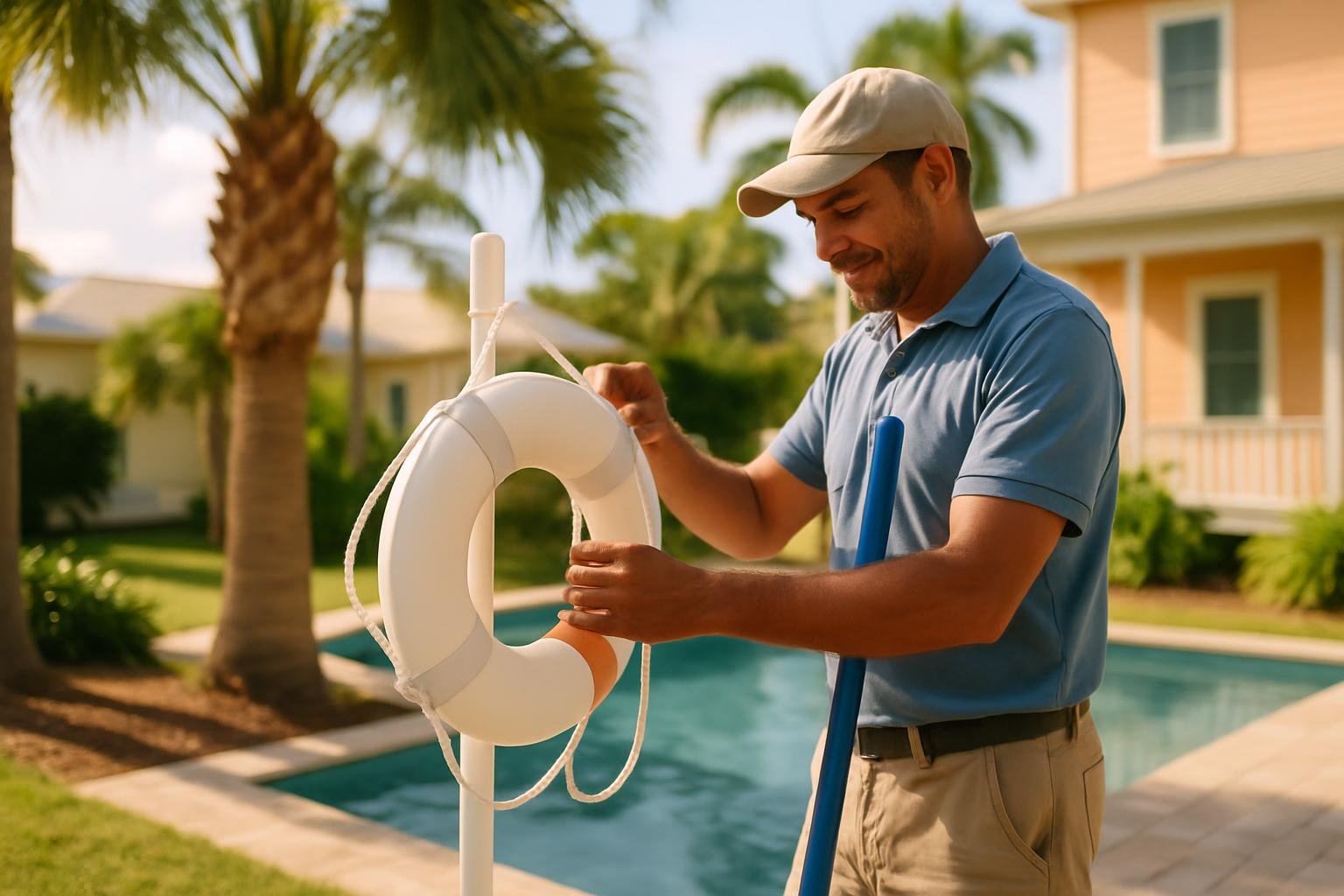
Keeping your pool area secure is critical whether you live in Fort Lauderdale, Boca Raton, or a small Florida town. Here’s a step-by-step checklist to help you:
| Safety Feature | Benefits | Considerations | Source/Where to Find |
|---|---|---|---|
| Fencing | Physical barrier, prevents unsupervised access | May require permits, must meet state standards | Fence installers, home improvement stores |
| Door/Pool Alarms | Immediate alert if doors/gates are opened | Requires maintenance and batteries | Security businesses, specialty retailers |
| Pool Covers | Reduces risk when pool not in use | May not support weight, must be properly secured | Pool supply stores, local installers |
| Swim Lessons | Improves skills, confidence for all ages | May require multiple sessions | Swim schools, YMCAs, community centers |
| CPR Training | Enables quick response in emergencies | Must refresh regularly | Red Cross, local hospitals, city programs |
Pro Tip: Use the Local Florida Directory to compare local businesses near you, read customer reviews, and find contact details in one place.
Quick action saves lives. Here are basic response steps if you discover someone in trouble in a Florida residential pool:
If you’re a homeowner, make sure your guests know pool rules and safety equipment locations before parties or gatherings.
Florida’s climate means pools get use almost year-round, and certain factors increase safety needs. Snowbird residents, for example, may leave homes vacant for months, so seasonal closings with solid covers, gate locks, and neighbor check-ins are recommended. Summers bring kids home from school, increasing usage and requiring enhanced adult supervision and strict adherence to pool barriers.
Those new to Florida should schedule a pool safety inspection as part of their move-in checklist and consider installing extra barriers or alarms if the home doesn’t already meet current codes. Keep in mind, too, that regular thunderstorms and hurricanes mean you should secure outdoor items and avoid swimming at the first sign of lightning.
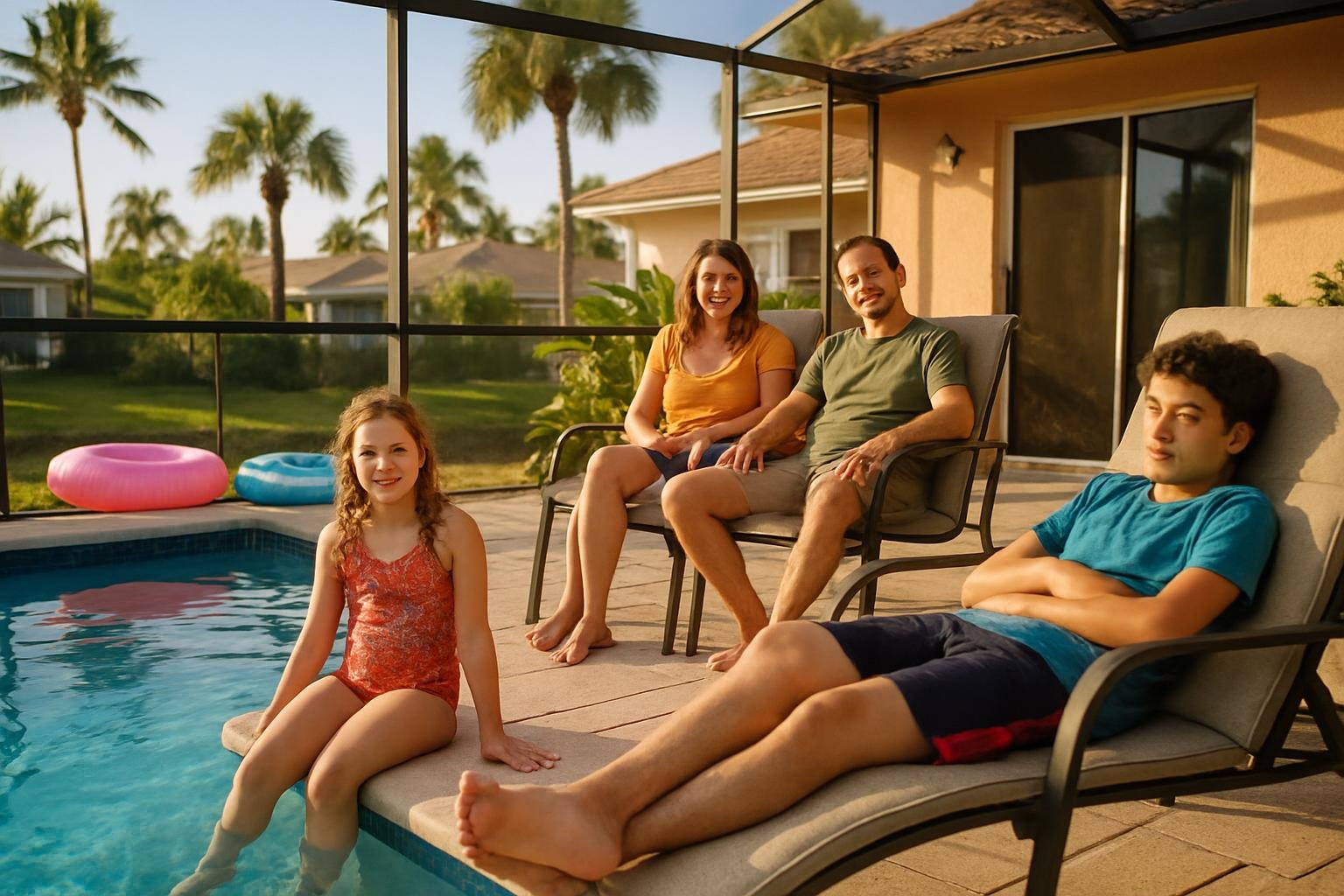
Whether your Florida home is in Naples, Tallahassee, Sarasota or another region, local government agencies and health departments offer guides on pool safety. Many city recreation departments host water safety events, CPR classes, and swim lessons throughout the year. Libraries often stock books and flyers with tips, while community organizations like the YMCA provide resources for families.
Broward, Palm Beach, and Miami-Dade counties are especially active with public information campaigns, often partnering with hospitals and schools to raise awareness during the busy spring and summer swim seasons.
Florida’s warm climate draws plenty of newcomers each year, many of whom arrive from regions where backyard pools are rare or seasonal. It’s easy to underestimate the risks associated with year-round swimming. Here are some of the most frequent mistakes newcomers make, and tips to avoid them:
The good news is all these mistakes are easily preventable—awareness, vigilance, and a solid safety plan make all the difference as you adapt to Florida pool living.
Year-round pool use in Florida means your safety checklist needs to change with the seasons. Whether you’re a full-time resident or spend part of the year elsewhere, these local tips will help you stay prepared:
Florida’s unique climate requires proactive planning, but these small steps can prevent property damage, injuries, and ruined vacations.
Not all Florida cities and neighborhoods approach home pools the same way. Whether you prefer quiet residential living or vibrant social communities, the pool "culture" can make a big difference in your lifestyle and safety needs. Here’s a quick comparison:
| Area | Common Pool Type | Typical Safety Features | Community Norms |
|---|---|---|---|
| Boca Raton/Weston | Private backyard pools | High fencing, strict HOA rules | Family-focused, quiet use, strong safety culture |
| Downtown Miami | Shared condo pools | Lifeguards, access cards, posted rules | More social, often adult-focused hours |
| Central Florida (Orlando suburbs) | Screened-in private pools | Enclosures, alarms, structured landscaping | Great for families and pets, emphasis on pest protection |
| Gulf Coast (Clearwater/Sarasota) | Mixed private and association pools | Seasonal rules, maintenance staff | Large retiree population, frequent community events |
Before moving to or renting in a new Florida neighborhood, ask about pool maintenance, guest policies, and enclosures. Matching your expectations to local norms ensures both fun and safe swimming for everyone in your household and community.
If you’ve recently bought or rented a Florida home with a pool—or you’re considering it—use this comprehensive checklist to ensure your family and guests enjoy safe swimming from day one. Keep in mind that local rules or HOA guidelines may add requirements, so always confirm details for your specific area:
Checking these tasks off your list creates a safer environment and helps you adapt to Florida’s pool culture with confidence—even if this is your first year-round swimming experience.
While pool safety basics apply throughout Florida, each region has unique environmental factors and local customs to consider. Tailoring your safety approach to where you live can make all the difference:
If you’re unsure about local hazards, ask your neighbors or HOA, and schedule annual reviews with a local pool professional who understands the unique risks where you live.
Understanding how pool use patterns shift across Florida can help you tailor your safety measures and anticipate unique risks for your household. Here’s a quick comparison for different types of pool seasons common across the state:
| Pool Season Type | Main Regions | Primary Risks | Recommended Safety Focus |
|---|---|---|---|
| Year-Round Pools | South Florida, Miami | Drowning (unattended use), daily maintenance lapses | Regular barrier checks, continuous supervision, monthly water testing |
| Summer Only | North/Central Florida | Sudden summer storms, inconsistent usage | Storm preparation, chemical balance checks after rainfall, start-of-season inspections |
| Snowbird/Vacant Season | Naples, Sarasota, retiree communities | Vacancy risks (trespassing, lapses in oversight), debris accumulation | Solid covers, neighbor/property manager check-ins, off-season alarm functionality |
By aligning your safety habits with the type of pool season in your region, you’ll minimize accidents and protect your investment, no matter how often you swim.
Protecting your family and guests around pools is a community effort. The Local Florida Directory is your go-to resource to search for pool maintenance services, safety equipment installers, swim instructors, and other trusted professionals across every region—from Jacksonville to Fort Myers, Orlando to West Palm Beach.
If you’re a pool company, safety specialist, or instructor, consider claiming your free listing on the directory to reach more Florida residents who need your expertise. Homeowners and swimmers can also leave reviews and share their experiences to help others make safe, informed choices.
Browse Local Florida Directory today to connect with pool safety experts and make your Florida pool a safer place for everyone. Start your search now to keep your family and neighborhood protected all year long.
Florida regulations generally require barriers like fencing with self-latching gates, alarms on doors leading to pools, and sometimes pool covers. Always confirm with your local building department for the latest rules and compliance guidelines.
Look for licensed professionals with strong customer reviews and experience. Use a trusted directory to compare companies, or check with local home improvement stores for recommendations before hiring.
Secure loose items and cover your pool before storms. Avoid swimming when lightning is present and have professionals inspect safety barriers after hurricanes to ensure ongoing protection.
Many neighborhoods and city recreation departments in Florida offer water safety workshops, CPR classes, and pool safety campaigns. Check with your local government or community center for upcoming events.
Yes. Seasonal residents should secure pools with covers, lock gates, and ask neighbors to check on the property regularly. Seasonal closures can help reduce risk when the home is unoccupied.
Enroll them in local swim lessons and regularly review safety rules. Always supervise children when near water, and set strict ground rules for pool use at your home or when visiting others.
Share this article